By Foster Team
|
The DrawBridge Way: Nearly 40 Years of Listening, Learning, and Showing Up

What happens when you spend nearly four decades doing one thing with deep attention? You start to understand what actually works, and why.
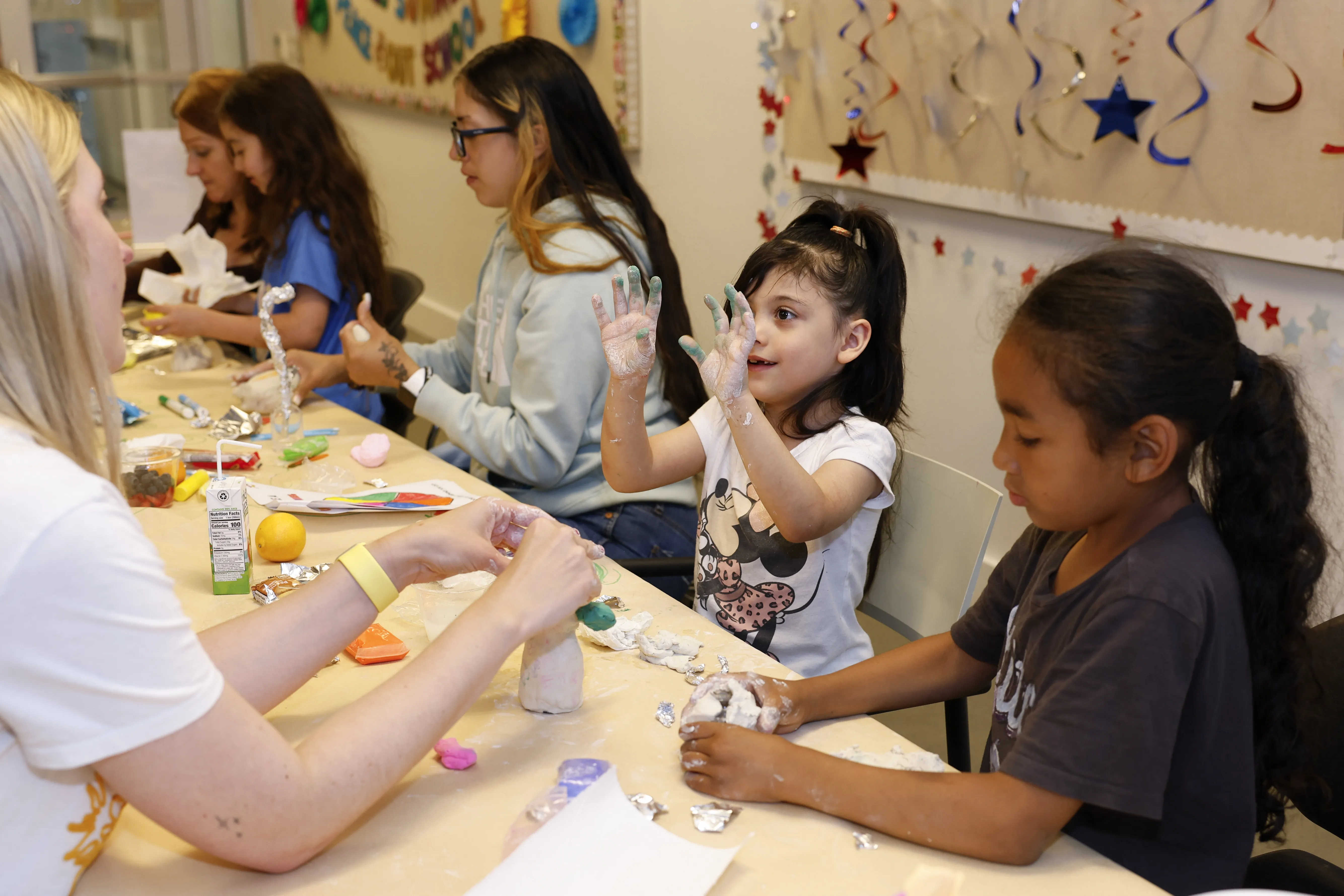
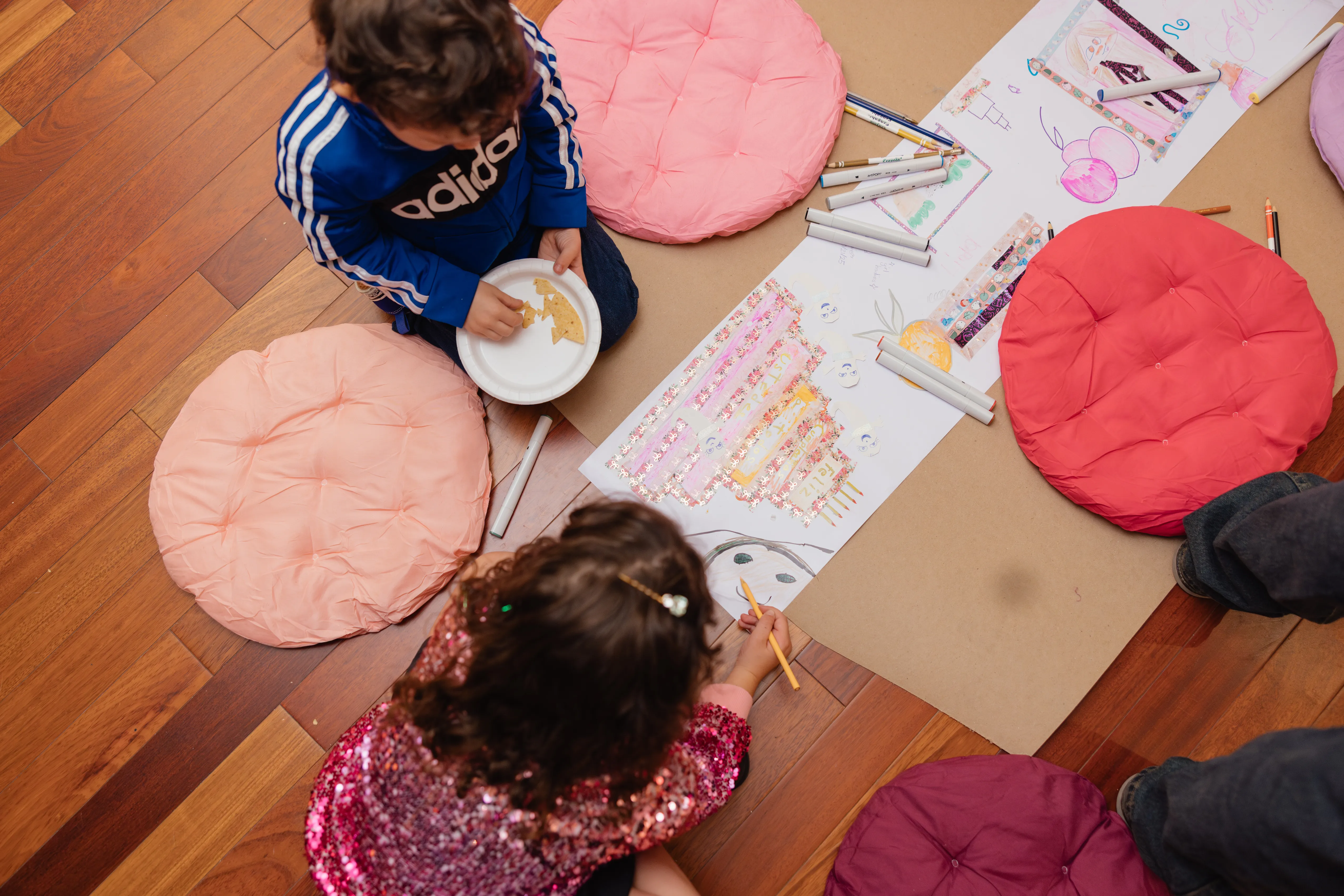
DrawBridge has been providing free expressive arts programs for children and youth experiencing housing instability across the Bay Area since 1989. That's thousands of sessions, hundreds of facilitators, and countless moments of quiet creative expression in shelters, transitional housing, and community centers where children need consistency most.
Over that time, something has taken shape. We listened to the children. We listened to the facilitators who showed up every week. We listened to the shelter staff and site partners who saw what was happening in those rooms. And gradually, through practice and dialogue and reflection, we began to understand the ingredients that make this work.
We call it The DrawBridge Way.
Values Born from Practice
Early in our current strategic planning process, we did something simple but important: we asked the people closest to the work, our board, staff, volunteers, and facilitators, what they believed in. What had they seen hold true, year after year, across sites and communities?
We came back with a set of values that had come to life from over 37 years of creative service:
Child-Centered- We prioritize process over product. Every session is built around the child's autonomy and creative voice, not an adult's agenda or a pre-determined outcome.
Safety- Our programs are led by skilled, compassionate facilitators grounded in trauma-informed practices. Children can't create freely if they don't feel safe first.
Reliability- We build trust through consistency. The same facilitator, the same time, the same welcoming space, week after week. For children navigating instability, that predictability is itself a form of care.
Cultural Responsiveness- We honor the individuality of each young person and their community. What works at one site may not work at another, and we've learned to follow the community's lead.
Creativity- We embrace imaginative play, self-expression, and exploration. Every session includes high-quality art materials that invite children to discover what they want to make, not what we think they should make.
Well-being- We create conditions where trust, curiosity, and self-expression can emerge through consistent and skilled facilitation. We don't prescribe outcomes, we nurture the soil.
Accessibility- We bring free, quality art experiences directly into the communities where young people live. If children can't come to us, we go to them.
These values have surfaced through years of reflection, facilitators sharing what they noticed, site partners telling us what mattered, and children showing us through their art and their presence what it meant to have a consistent creative space in their lives.
The Ingredients That Make It Work
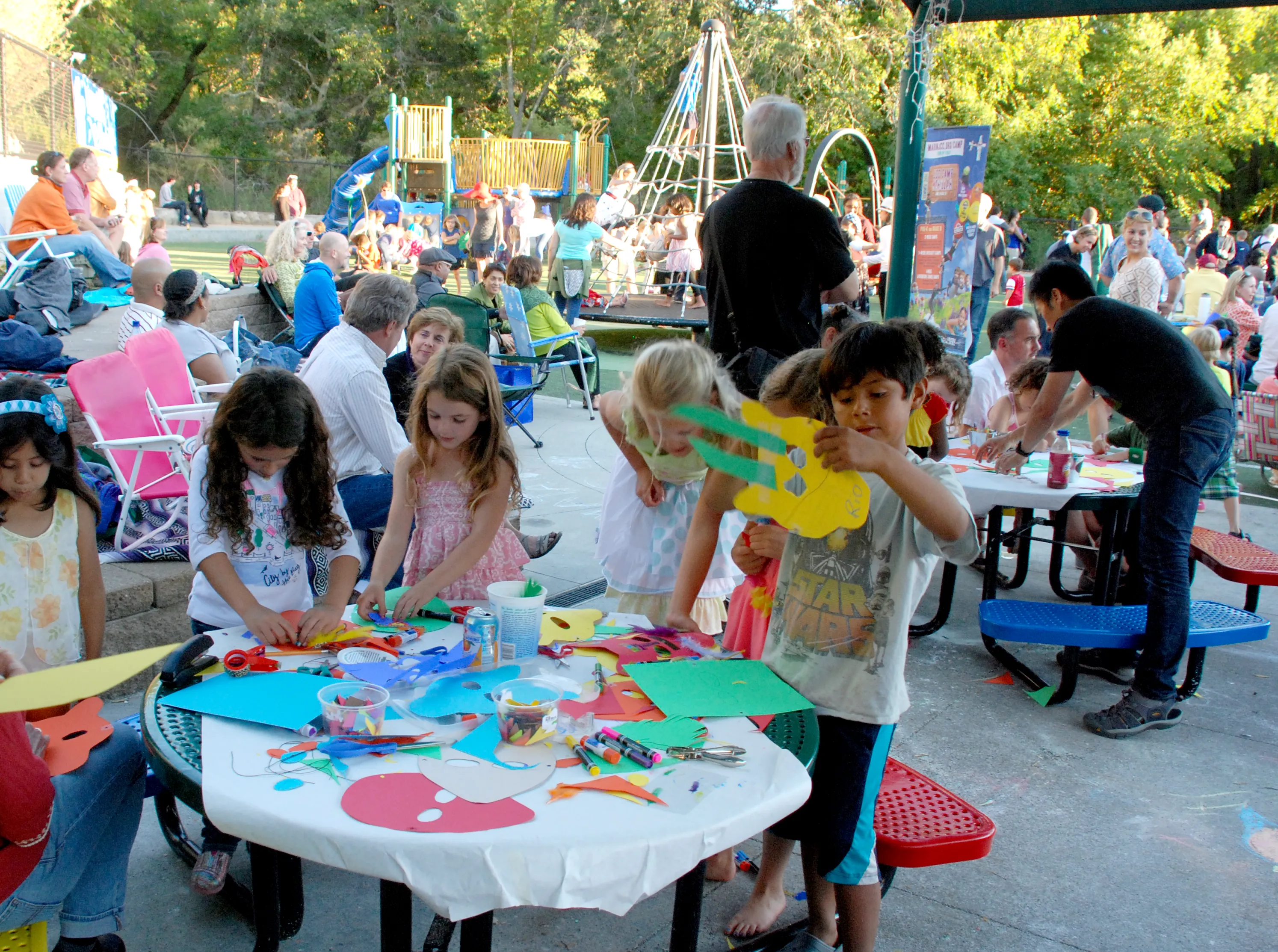
Beyond values, The DrawBridge Way is also a set of practices, the specific ingredients that, over time, we've come to understand are essential. A trained, trauma-informed facilitator showing up every week. A safe, predictable hour where children feel seen and supported. High-quality art materials that invite exploration. Developmentally appropriate art prompts created by art therapists. A commitment to being embedded in each community, not passing through. And always, a second adult in the room.
We have been testing and refining what is essential through nearly four decades of work in some of the most challenging settings in the Bay Area. Our work has been shaped by the feedback of shelter staff who see children before and after our sessions, by facilitators who have committed years to specific sites, and by children who keep coming back to the art table week after week.
Listening to Our Impact
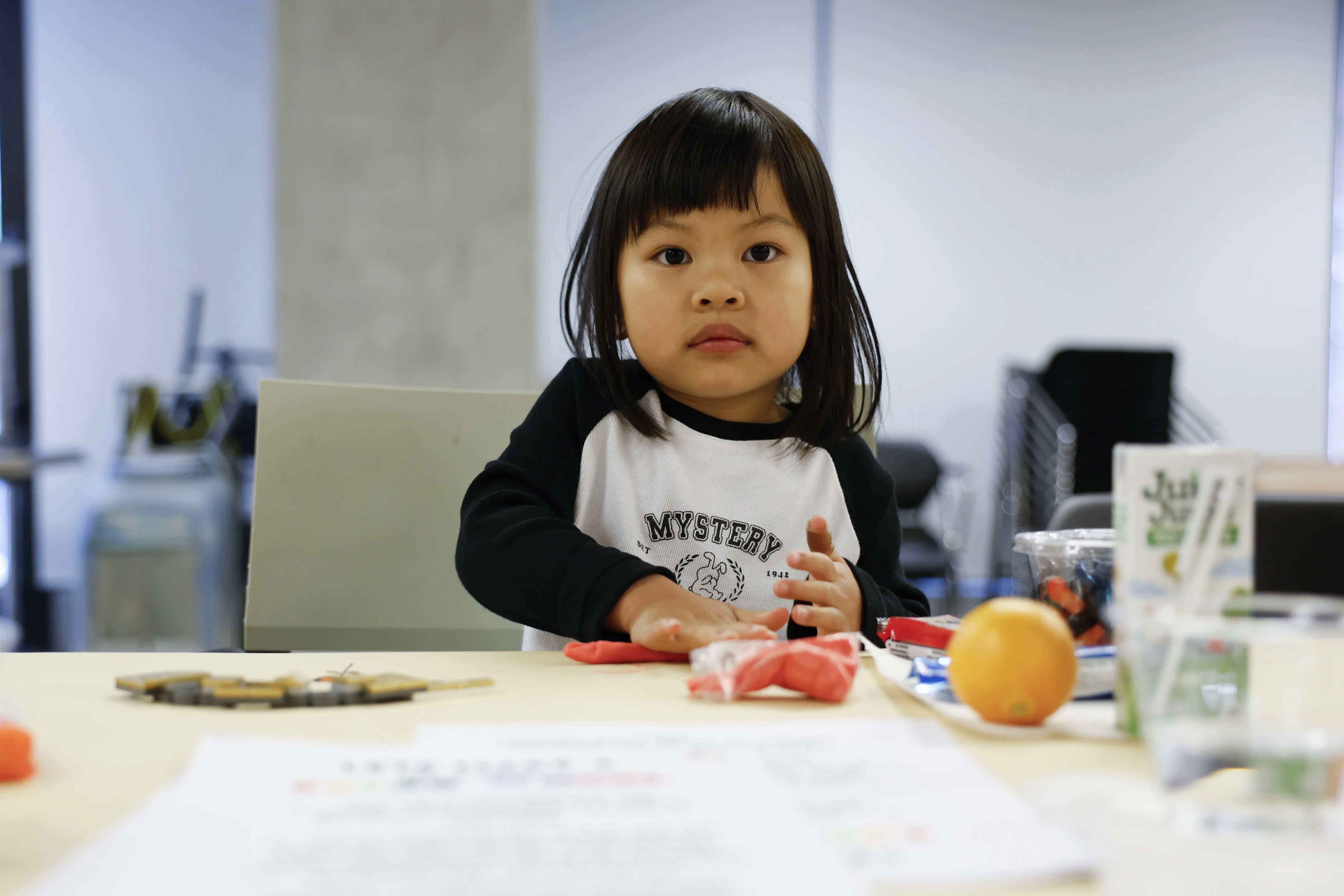
One of the most important shifts in our current chapter has been rethinking how we understand our own impact. For a long time, the field has talked about "measuring" outcomes, and we know that matters, especially for funders and partners who need data. But we've come to think of it differently.
We call it listening to our impact.
Rather than starting with a metric and working backward, we're starting with attention, observation of what's actually happening in our sessions, documented through tools we are co-designing with our facilitators, and academic partners at Dominican University and UC Berkeley School of Public Health. Graduate art therapy clinicians from Dominican are helping us define and shape our trauma-informed environments alongside our facilitators, capturing things that traditional metrics miss: a child making eye contact for the first time, a teenager leading a group activity, a moment of creative risk-taking that signals deepening trust.
We believe this is what evaluation looks like when it's grounded in the same values as the program itself, child-centered, culturally responsive, and process-oriented. We get to learn and respond as we listen to what works.
Sharing What We've Learned
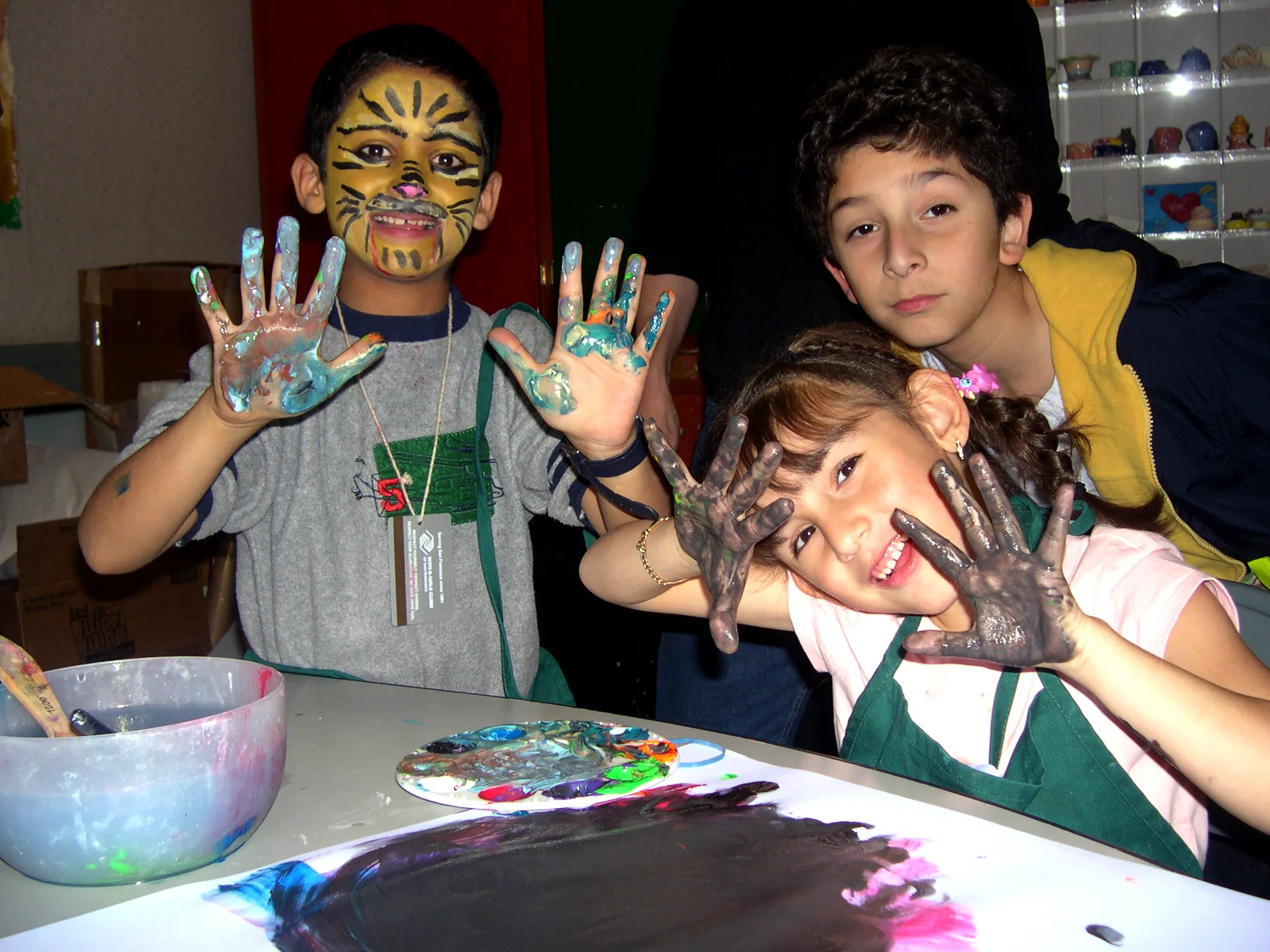
Here's the part that is really exciting to us: as we listen and learn, we don't want to keep this to ourselves.
The DrawBridge Way is being developed as an open-source framework, a set of values, ingredients, observation tools, and art prompts that any organization can adapt to create trauma-informed expressive arts programming in their own community. We want to share our wisdom and have reciprocity. In a field where proven models are often locked behind licensing fees, we've chosen a different path. The goal is to support more children, everywhere, in and through the arts.
Our partnership with Dominican University is helping us validate what four decades of practice have taught us. Our collaboration with UC Berkeley School of Public Health interns is building the research foundation to understand why this works, not just that it does. And as we approach our 40th anniversary, we're working toward publishing The DrawBridge Way as an open-access toolkit that practitioners, shelters, and community organizations can use freely.
This is DrawBridge's contribution to the field, the wisdom learned in one corner of the Bay Area, gathered with care, and shared with the world.
What Comes next
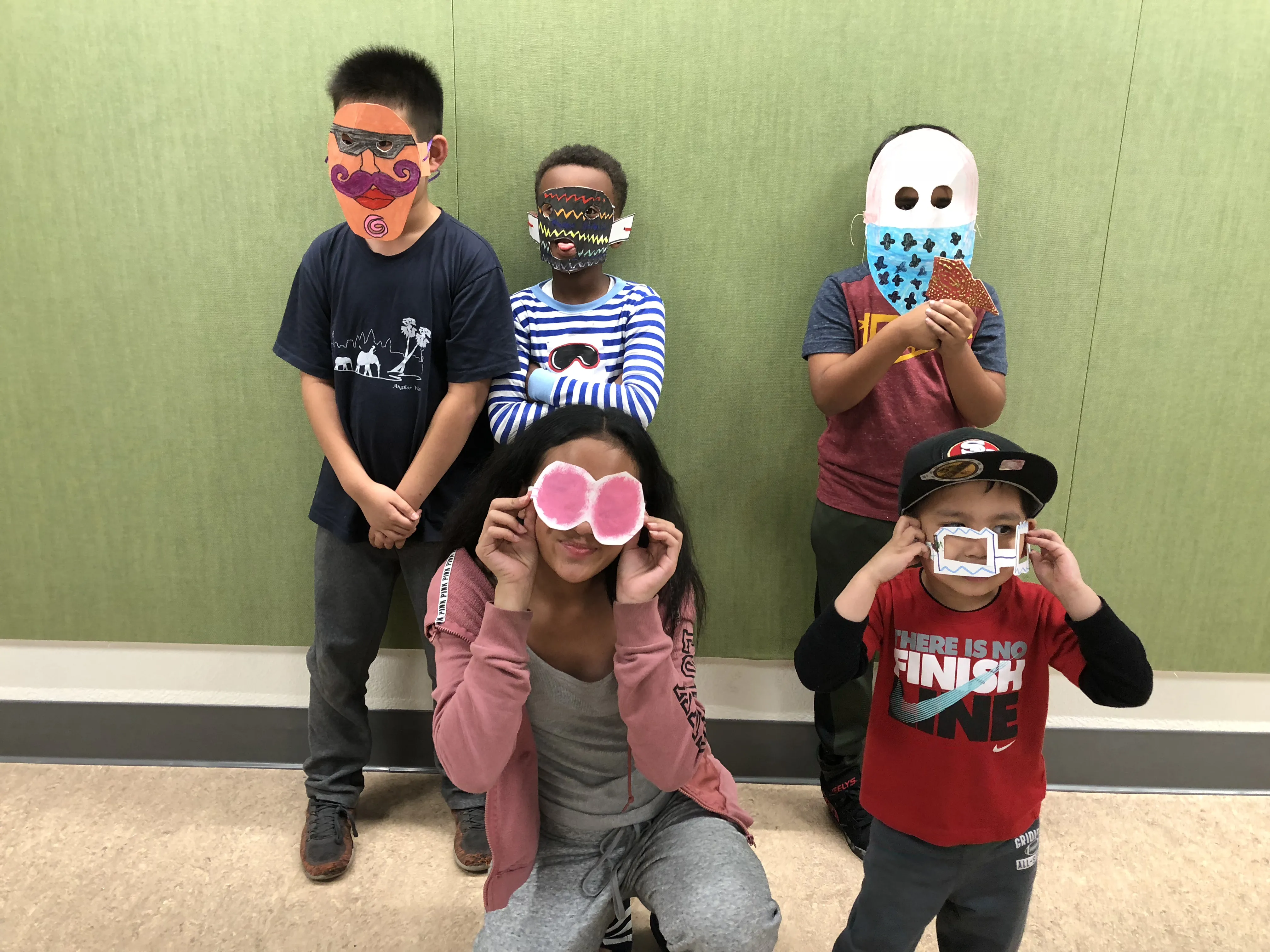
We're in the middle of this work, not at the end of it. The DrawBridge Way is being co-created, with our facilitators, our academic partners, our site communities, and the children themselves. It will continue to evolve as we continue to listen.
But we believe that 37 years of showing up, paying attention, and honoring children's creative voices has produced something worth sharing. Not because we have all the answers, but because we've been asking the right questions for a long time, and we think other communities deserve access to what we've learned.
Volunteering with Foster opened my eyes to the real needs of our community. I feel truly grateful and proud to help every day — Jessica M., New York
How you can help
You can make a real difference by joining our mission to support communities in need. Volunteer your time to assist with programs, share your skills in workshops, or help distribute essential supplies. Contributions, whether through donations or in-kind support, enable us to expand services and reach more people effectively.
Volunteer & community participation
Active participation from volunteers and community members is the heart of our outreach efforts. By contributing your time, skills, or resources, you help deliver essential services, organize programs, and support families and individuals in need. Engaging with the community not only strengthens local connections but also fosters a sense of shared responsibility and collective impact.
Ways to Get Involved
- Support our programs financially to provide essential resources, expand outreach, and create meaningful.
- Participate in community events, workshops, and training sessions to directly assist individuals and strengthen.
- Share information about our initiatives with your friends, family, and social networks to increase engagement.
Conclusion
By expanding our Community Outreach Program, Foster continues to bring support, resources, and empowerment to communities that need it most. Every action, big or small, contributes to creating lasting change. Together, we can ensure a brighter, healthier future for all.