By Foster Team
|
The Artists Next Door: How Community Mentors Shape the DrawBridge Experience
The most powerful creative mentors are often already in the room.
After 37 years of providing free expressive arts programs for children and youth experiencing housing instability across the Bay Area, one of the clearest things we've learned is this: creativity doesn't arrive from the outside. It's already there, in every community, in every neighborhood, in the people who show up for children every day.
Our Community Artist Program grew from that learning.
Listening to Our Communities
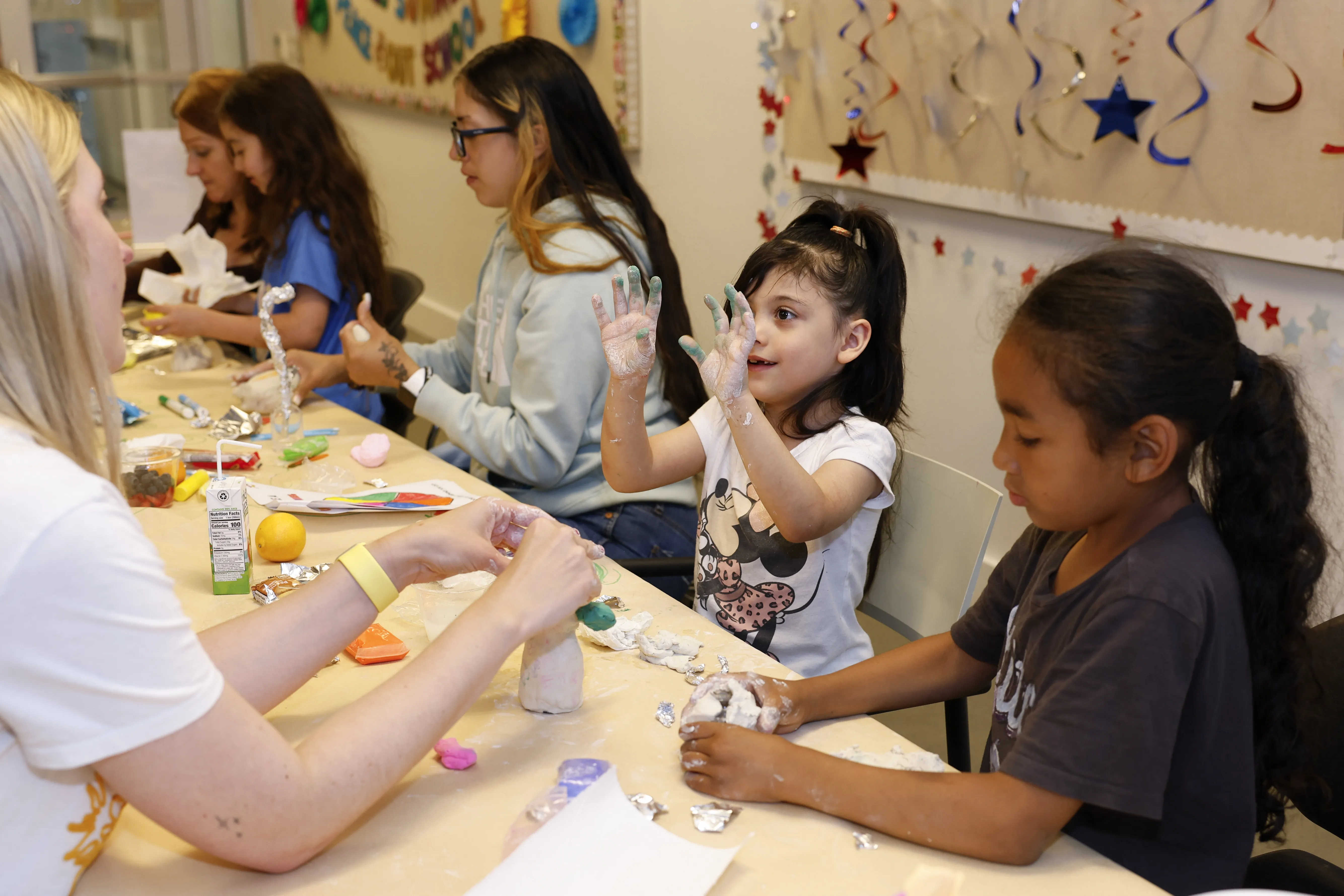
DrawBridge facilitators show up every week to create safe, consistent spaces where children can express themselves through art. Over the years, we noticed that some of the most meaningful moments happened when a creative person from the community walked through the door alongside them, someone the children already knew, someone who carried the culture and context of the neighborhood with them.
Our communities noticed it too. So we listened, and we redesigned the program around what they told us.
Rather than recruiting artists more broadly and placing them into unfamiliar settings, we now invest directly in the creative mentors already woven into the fabric of each neighbourhood. That might be a caregiver at one of our partner sites who paints on weekends. A staff member who tells stories. A neighbor who makes murals. A parent who knows origami. A local artist down the street who's been quietly doing incredible work for years.
What connects them is that they're already part of the community where our children live, and they have something creative to share.
DrawBridge provides all materials, planning support, and a $1,000 honorarium. What the mentor brings is themselves, their practice, their culture, their presence.
Artists as Mentors
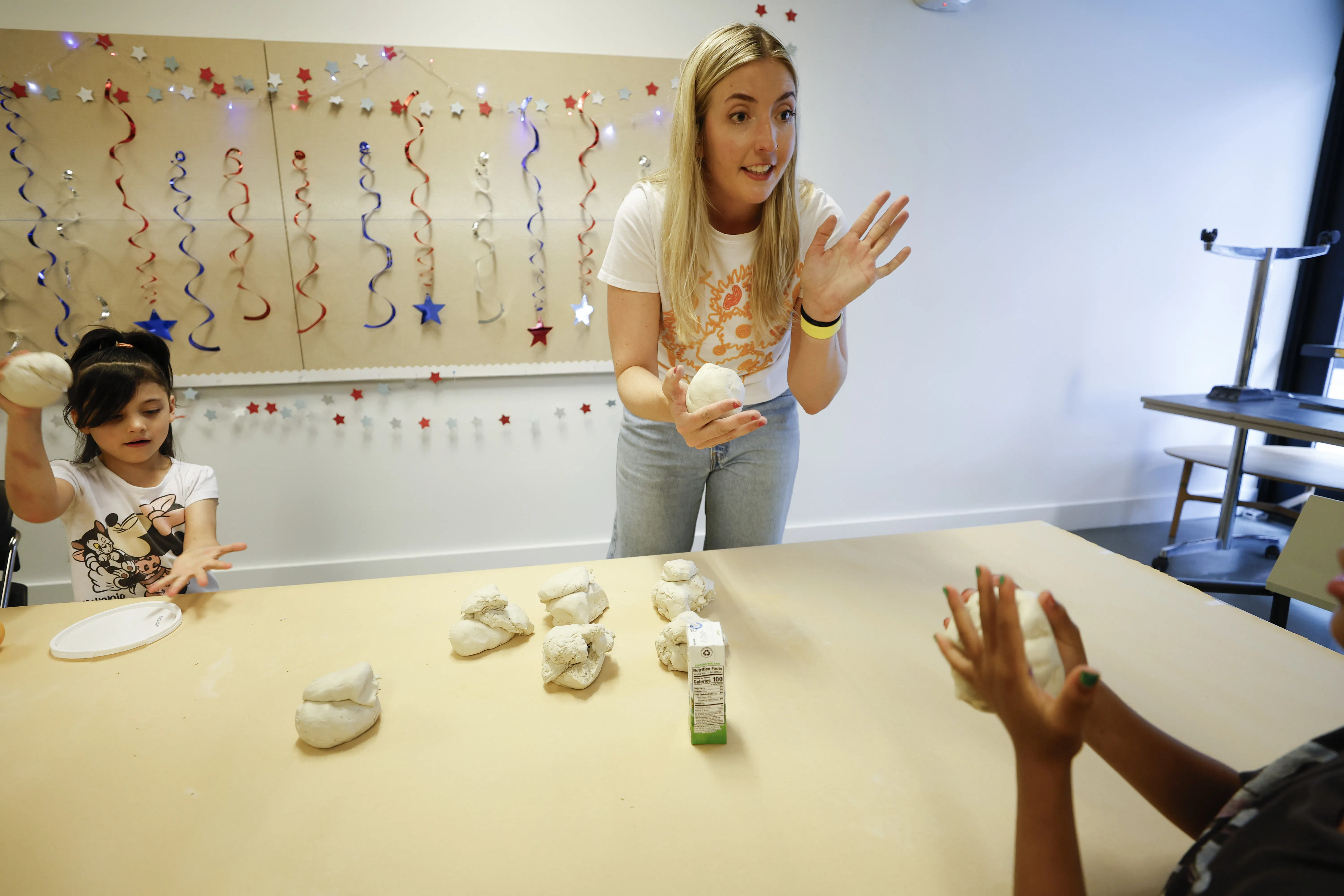
This is a mentorship model, not a guest lecture. When a community artist leads a workshop at a DrawBridge site, they're not just teaching a technique. They're showing children that creativity lives in their neighborhood. That someone from their world makes art as a practice and a life. That the creative impulse belongs to them, too.
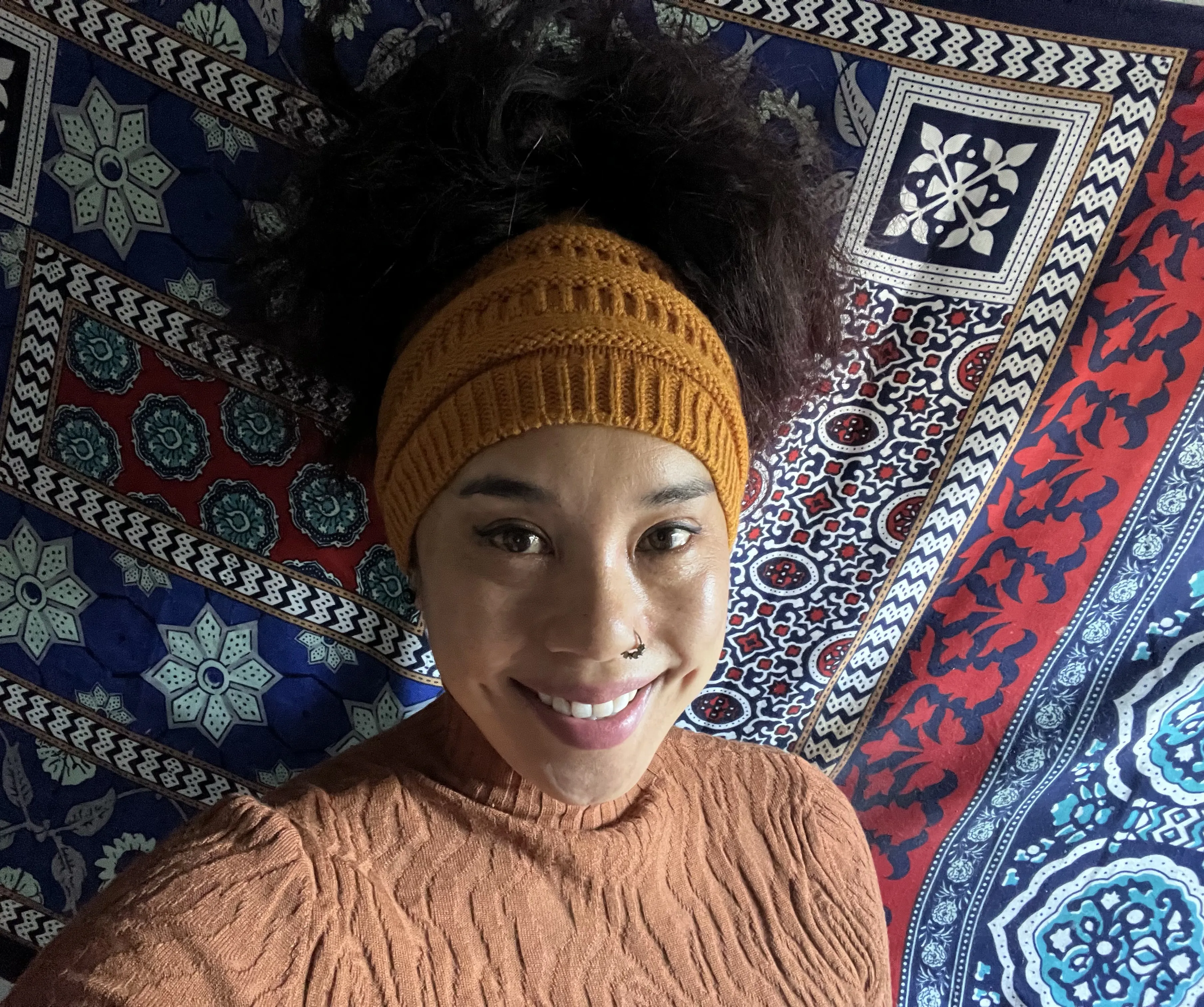
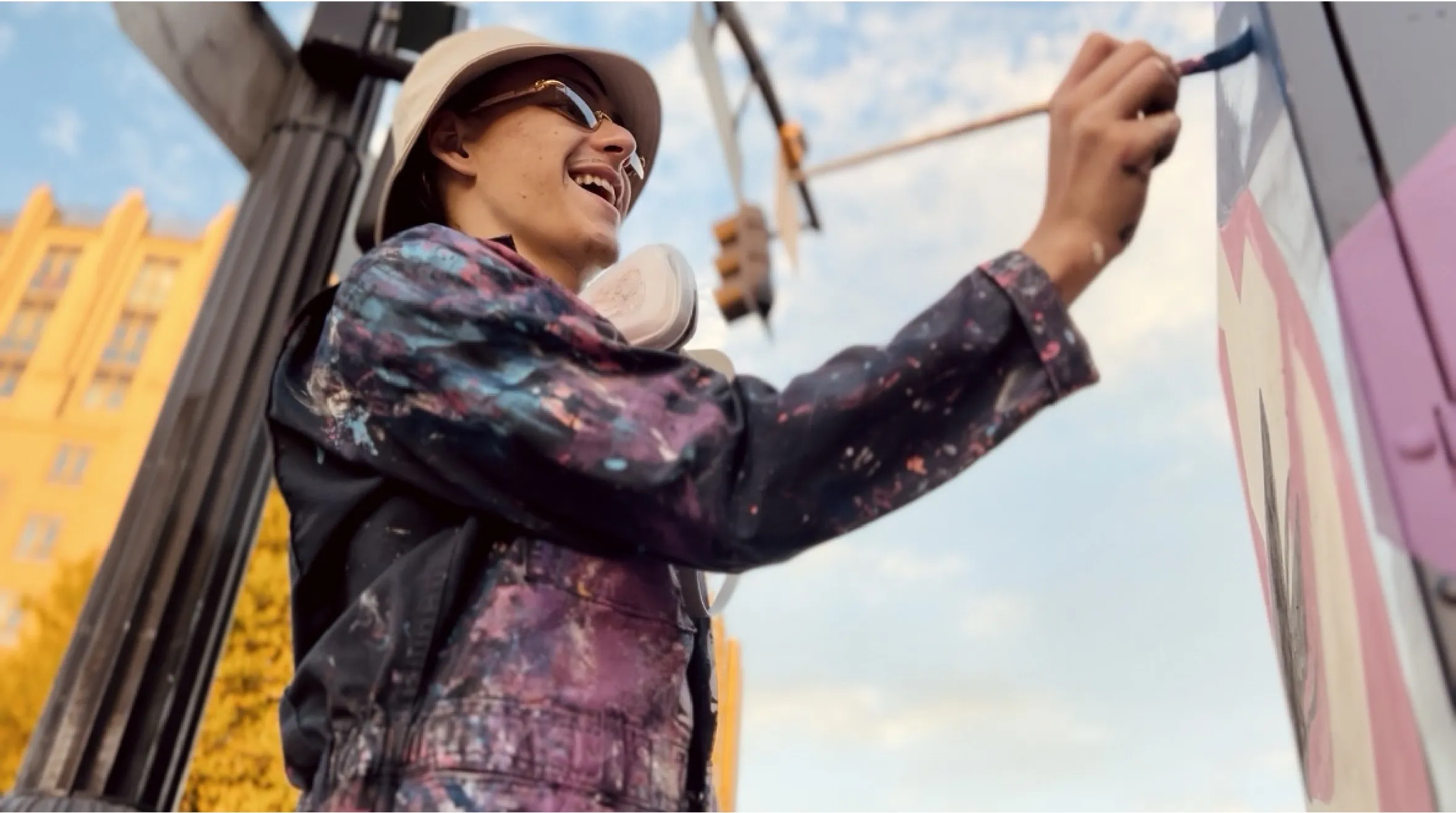
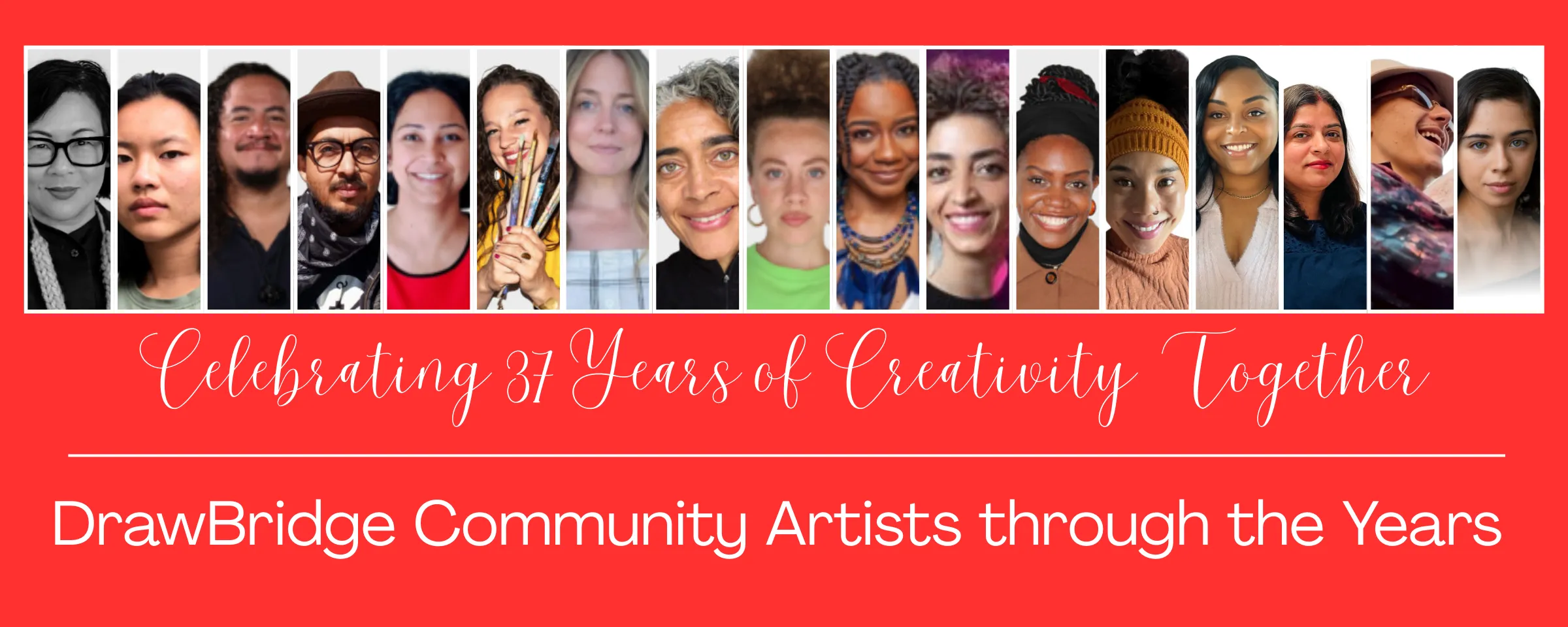
Our 2025 cohort reflects what this looks like across the Bay Area. Joaquin Tinh brings mural-making rooted in his Mexican, Native, and Vietnamese heritage to youth in Berkeley. Suman Sharma shares the Indian folk tradition of Madhubani painting with children in San Francisco. Chanel London, the artist behind Hella Artsy in Oakland, has led over 20 interactive creative experiences before bringing her mentorship to DrawBridge youth in shelters and affordable housing. Maxine Flasher-Düzgüneş guides eco-poetry explorations at Marin County libraries. Olivia Eng transforms personal experiences into shared art through Kintsugi-inspired painting in Alameda.
Five mentors. Five counties. Five completely different creative practices. The common thread is that each one carries the cultural context of the community they're entering, and children feel that.
What 37 Years Has Taught Us
Working alongside children experiencing housing instability has shaped how we think about everything, including who should be in the room. When routines break and familiar faces disappear, seeing a creative mentor from your own community show up with intention and art supplies means something. It means creativity isn't something you have to leave the neighborhood to find.
Over time, we've come to understand culturally responsive programming not as a curriculum designed somewhere else and delivered uniformly, but as a creative ecosystem shaped by the people who know each community best. When a community artist leads a session rooted in their own traditions, children see their heritage reflected in the art-making process. When that mentor is someone they recognize, the message deepens: this was made with you in mind.
That understanding has come from showing up, week after week, for 37 years, and paying attention to what the children and communities were telling us.
Become a Community Artist Mentor
We select a new cohort of community artists every year. If you are a caregiver, family member, staff member, neighbor, or friend connected to any of the neighborhoods we serve, and you have a creative skill to share, we'd love to hear from you. No formal training required. Just your connection, your creativity, and your willingness to show up.
The mentorship program helped me set career goals and gave me real opportunities to succeed — Jessica M., New York
How you can get involved
Community support is strengthened when individuals actively participate in making a difference. There are multiple ways to contribute to building brighter futures:
Programs and Initiatives
Community-driven programs provide access to education, skill-building, health services, and mentorship. Initiatives focus on equipping individuals with the knowledge and tools they need to succeed. By creating inclusive opportunities, these programs empower residents to actively contribute to their community’s growth and well-being.
Ways to Get Involved
- Educational workshops and tutoring for children and adults.
- Vocational training and skill development for career advancement.
- Health awareness campaigns and access to essential services.
Conclusion
Building brighter futures relies on collective effort, compassion, and commitment. Community support empowers individuals to grow, thrive, and achieve their dreams while fostering stronger, more resilient neighborhoods. By investing time, resources, and energy into community initiatives.