By Foster Team
|
Why Language Matters: Cognitive Framing and Our Relationships with Communities
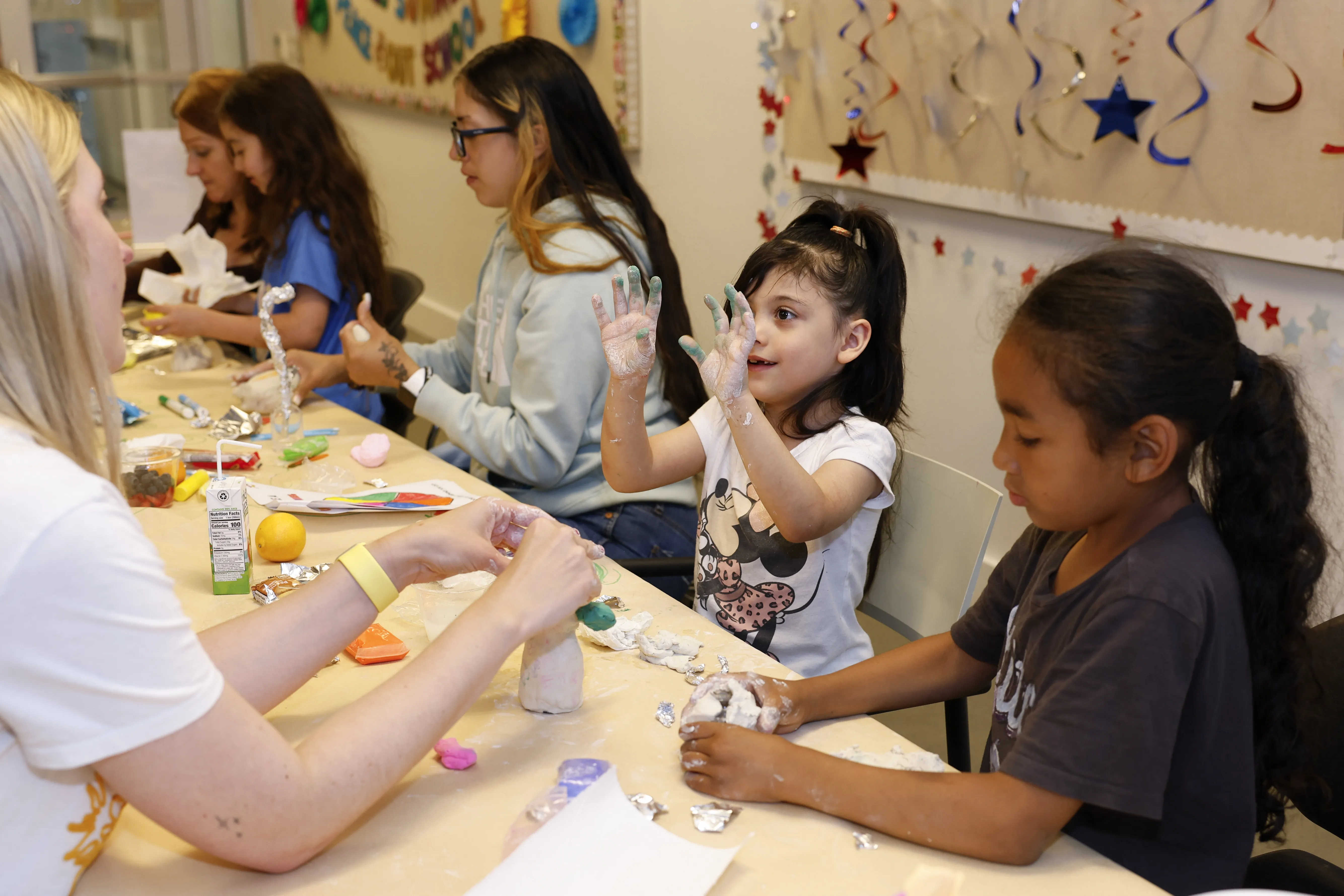
The words we use shape how people see children. After 37 years of showing up at shelter sites across the Bay Area, here's what we've learned about getting the language right.
If you search for organizations like ours online, you'll find terms like "homeless children," "at-risk youth," "underprivileged kids," and "empowering young people." These phrases are everywhere, in grant applications, news articles, nonprofit websites, and the well-intentioned language of people who genuinely care about children.
We've used some of them ourselves over the years. But working alongside children and families navigating housing instability has taught us something important: the language we choose doesn't just describe the children we serve, it shapes how the world sees them, and our view of agency. How the world sees them shapes what's possible for them.
May this article be less of a final declaration on “right language” and more of an invitation to continuously listen and learn to how we can fully respect the agency and self expression of the children and communities we are in a relationship with. It is as simple and important as asking anyone “Hello, what’s your name?”
Why We Say "Housing Instability" Instead of "Homeless"
When someone hears "homeless child," the image that forms tends to be defined entirely by that circumstance. It becomes the child's identity, the first and sometimes only thing people know about them.
But the children in our programs are not defined by where they sleep. They have favorite colors. Artistic voices. Ideas that surprise us every week. They're navigating something hard, housing instability, family transition, economic uncertainty, but that navigation is something they're experiencing, not something they are.
"Children experiencing housing instability" is certainly a longer phrase, but it does something essential: it keeps the child at the center and the circumstance in context. This is the cognitive reframe that matters so much in our relationships. It acknowledges what's happening without turning it into an identity. And it reflects what we actually see in our sessions, children who are creative, curious, and capable, even in the middle of disruption.
Beyond "At-Risk"
"At-risk" is one of the most common phrases in the youth services field, and it's one we've moved away from. The problem isn't the intention behind it, people who use "at-risk" are usually trying to communicate urgency and need. The problem is what it implies about the child.
"At-risk" positions a young person as a problem waiting to happen, defined by what might go wrong rather than what's already strong. It's a deficit frame. It says: this child is vulnerable, fragile, in danger of failing. This completely shifts the relationship that can be built.
What we see in our sessions tells a different story. Children experiencing housing instability bring resilience, creativity, cultural knowledge, and social intelligence into every DrawBridge program. They bring humor. They bring care for each other. They bring perspectives that come from navigating a world that most adults couldn't handle with the same grace.
In our field, there's a growing framework called Community Cultural Wealth that names what we've observed for nearly four decades: that every child and every community already possesses strengths, knowledge, and creative capacity. The question isn't "what do these children lack?" It's "what conditions do we create so that what they already carry can emerge?"
That's a fundamentally different starting point. And it changes everything about how you design a program, train a facilitator, and talk about your work.
Why We Don't Say "Empower"
This one surprises people. "Empower" feels like a positive word, and the intention behind it always is. But when we say we "empower" children, we're implying that power is something adults give to young people. That without us, they wouldn't have it.
We prefer language that recognizes children already have agency, voice, and creative capacity. DrawBridge doesn't give children power. We create the conditions, safe spaces, consistent relationships, high-quality materials, skilled facilitators, where their power can show up on its own terms.
It's a small shift. But it reflects a deep belief: children are not empty vessels waiting to be filled. They are whole people whose creativity and voice deserve space to be expressed.
Why This Matters Beyond DrawBridge
We share our language choices not because we think we have all the answers, but because we believe this conversation matters for everyone working with children and families. Funders, journalists, partner organizations, donors, and volunteers all shape the narrative around the communities we serve. When that narrative leads with deficit, with what's broken, what's missing, what's "at risk", it limits what people imagine is possible.
When the narrative leads with humanity, with creative capacity, with the recognition that children are whole people navigating difficult circumstances, it opens up a completely different set of possibilities. For the children. For the communities. And for the organizations doing the work.
We're still learning. The families and communities we serve continue to teach us how to get better at this. But we wanted to share where we've landed so far, in case it's useful to anyone else doing similar work.
DrawBridge has provided free, trauma-informed expressive arts programming to children and youth across the Bay Area since 1989. Our communications guide is part of an ongoing commitment to language that honors the children and communities at the center of our work.
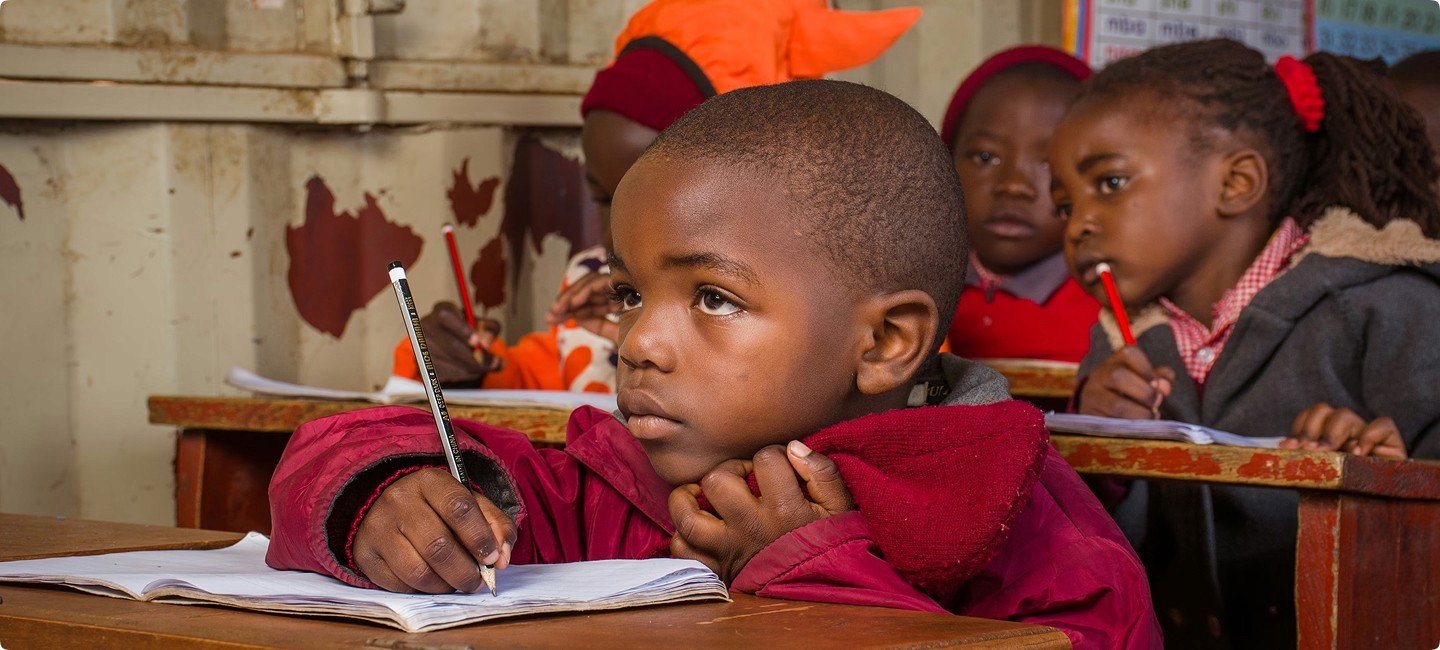
The training programs boosted my confidence and helped me start my own small business — Melina J., New Jersey
Mentorship and networking opportunities
Support systems play a crucial role in women’s empowerment. Mentorship programs connect experienced leaders with women seeking guidance, creating pathways for personal and professional growth. Networking opportunities provide exposure to career prospects, collaborations, and skill-sharing platforms. By building supportive communities, women gain confidence, resilience, and access to resources that were previously out of reach.
Community impact and social change
Empowering women has far-reaching effects on society. Educated and skilled women contribute to local economies, reduce inequalities, and promote social justice. Initiatives targeting women’s empowerment also foster awareness about gender equality, health, and civic participation. Communities that invest in women’s education experience measurable improvements in poverty reduction, public health, and overall well-being.
Ways to Get Involved
- Donate to Support Programs: Contribute funds to education, skill development, and empowerment initiatives for women.
- Volunteer Your Time: Join mentorship programs, workshops, and community projects to guide and inspire women.
- Spread Awareness: Share stories, campaigns, and resources to promote gender equality and women’s empowerment in your network.
Conclusion
Education and opportunity are the keys to unlocking women’s full potential. Programs that focus on learning, skill-building, mentorship, and community engagement empower women to lead, innovate, and inspire future generations. By investing in women today, society secures a brighter, more inclusive tomorrow.